

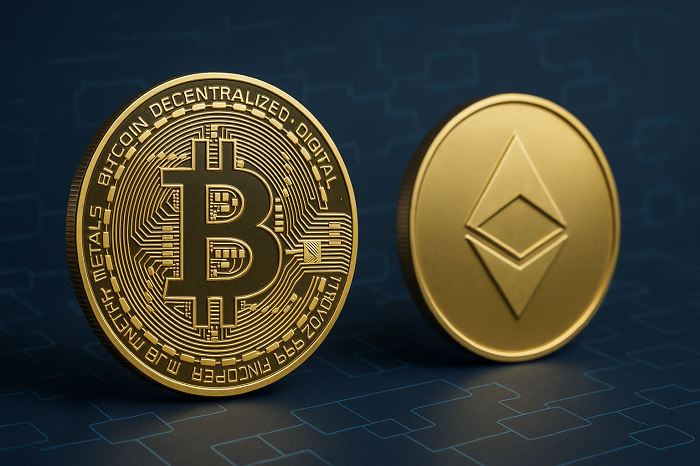
Understanding the difference between cryptocurrency and crypto asset is one of the most important steps for anyone entering the digital finance world. While these two terms are often used interchangeably, they do not mean the same thing. As the crypto industry evolves beyond digital money into tokenized assets, decentralized applications, and blockchain powered services, it becomes essential to know what separates cryptocurrencies from the wider category of crypto assets. This clarity helps investors make smarter decisions, avoid confusion, and explore opportunities in the growing digital economy.
Introduction to Cryptocurrency and Crypto Assets
Cryptocurrency is the oldest and most familiar concept in the blockchain space. It refers to digital currencies like Bitcoin, Ethereum, and Litecoin that are designed to serve as mediums of exchange. In contrast, crypto assets represent a much broader class of digital tokens created on blockchain networks, including cryptocurrencies, utility tokens, security tokens, NFTs, governance tokens, and more. While every cryptocurrency is a crypto asset, not every crypto asset qualifies as a cryptocurrency. This one difference sets the foundation for understanding how blockchain technology supports many use cases beyond payments and money transfers.
Both terms belong to the same ecosystem, yet they serve different purposes. Cryptocurrency focuses on functioning like digital cash, while crypto asset extends into representing ownership, rights, access, value, and participation across decentralized platforms. As you explore crypto knowledge or invest in digital projects, knowing these differences increases your confidence in navigating the market.
What Is a Cryptocurrency
A cryptocurrency is a digital or virtual currency that uses cryptography for security and operates on a decentralized network powered by blockchain technology. The primary purpose of a cryptocurrency is to act as a medium of exchange, similar to how traditional fiat currencies such as dollars or rupees are used. However, cryptocurrencies remove the need for banks or intermediaries and enable peer to peer transactions across the globe.
Bitcoin is the first and most widely recognized cryptocurrency, introduced in 2009 by the anonymous creator Satoshi Nakamoto. It was built to solve major issues in traditional finance such as high transaction costs, centralized control, and lack of transparency. Over time, more cryptocurrencies were developed, each with specific features. For example, Ethereum introduced smart contracts, enabling automated and programmable transactions. All cryptocurrencies share the common characteristic of being used primarily for payments, transfers, or store of value.
What Is a Crypto Asset
A crypto asset is any digital asset created, stored, or transferred on a blockchain. This category includes cryptocurrencies but expands far beyond them. Crypto assets can represent rights, ownership, rewards, access to services, voting powers, and even unique digital collectibles. They exist within decentralized ecosystems and can be used for various purposes depending on their type and underlying technology.
For instance, utility tokens provide access to a product or service inside a blockchain platform. Security tokens represent ownership of a real world asset such as stocks or real estate. Non fungible tokens represent unique digital items such as artwork, music, gaming skins, or virtual land. Stablecoins are crypto assets designed to maintain a stable value by being backed with reserves such as fiat currencies or commodities. Together, these form the broader universe of crypto assets that drive innovation across finance, gaming, entertainment, real estate, identity, and decentralized governance.
Core Difference Between Cryptocurrency and Crypto Asset
The core difference between cryptocurrency and crypto asset lies in their purpose, scope, and functionality. Cryptocurrency is specifically designed to act as money, enabling payments, transfers, and storing value. Its purpose is financial and transactional. On the other hand, a crypto asset refers to any blockchain based digital token that carries value or utility, whether it is a currency, an ownership certificate, an access token, or a digital collectible.
Cryptocurrency is simply a type of crypto asset, but a crypto asset can take multiple forms beyond currency. This distinction becomes even more important today as blockchain technology introduces new token models such as governance tokens, tokenized real world assets, and decentralized identity tokens. When someone says they are investing in cryptocurrency, they are typically referring to coins like Bitcoin and Ethereum. However, when someone invests in crypto assets, their portfolio could include NFT collections, staking tokens, decentralized finance tokens, and asset backed tokens.
Another key difference is regulation. Cryptocurrencies are often treated as digital money, while some crypto assets may fall under securities laws depending on their characteristics. This distinction affects taxation, trading compliance, and legal frameworks across countries. Understanding both sides helps investors make informed decisions when entering different segments of the blockchain ecosystem.
Why Understanding the Difference Matters
Knowing the difference between cryptocurrency and crypto asset helps new investors avoid common misunderstandings. When someone buys Bitcoin, they know they are purchasing a decentralized digital currency. When someone buys an NFT, they are not buying a currency but a unique digital asset that could be part of a game, art collection, or virtual world. Similarly, when people participate in governance tokens, they are taking part in the decision making process of decentralized protocols rather than using a currency for payments.
This clarity also helps in portfolio diversification. A strong crypto portfolio is not limited to cryptocurrencies alone. It may include utility tokens for staking rewards, security tokens for ownership rights, and NFT projects for digital value creation. Understanding which category an asset belongs to allows investors to evaluate risk, purpose, and long term potential more effectively.
Conclusion
The difference between cryptocurrency and crypto asset is simple yet significant. Cryptocurrency refers to digital money used for transactions and store of value, while crypto asset is a broader category that includes all blockchain based digital assets such as tokens, NFTs, stablecoins, and tokenized securities. As the blockchain world evolves, the diversity of crypto assets continues to grow, offering new opportunities for investors, creators, businesses, and everyday users. Understanding these differences ensures you navigate the crypto landscape with confidence, clarity, and informed decision making. Whether you are exploring decentralized finance or learning about tokenized ownership, knowing the distinction helps you participate meaningfully in the digital economy.
Frequently Asked Questions
Q1. What is the main difference between cryptocurrency and crypto asset
Answer. Cryptocurrency is a form of digital money used for payments and value transfer, while crypto asset refers to any blockchain based asset including cryptocurrencies, utility tokens, security tokens, NFTs, and more.
Q2. Is every cryptocurrency a crypto asset
Answer. Yes, every cryptocurrency is a crypto asset, but not every crypto asset qualifies as a cryptocurrency because many tokens serve purposes beyond payments.
Q3. Are NFTs considered crypto assets
Answer. Yes, NFTs are crypto assets because they are digital tokens on a blockchain, but they are not cryptocurrencies since they do not function as money.
Q4. Can crypto assets be regulated differently from cryptocurrencies
Answer. Yes, some crypto assets such as security tokens may fall under specific regulations depending on their utility, structure, and associated rights.
Q5. Should beginners invest in cryptocurrencies or crypto assets
Answer. Beginners can explore both, but they should understand their differences, risk levels, and use cases before investing to build a balanced and informed portfolio.