

Understanding the difference between cryptocurrency and crypto coin has become essential as more people enter the digital asset world. These terms are often used interchangeably, which leads to confusion, especially among beginners exploring what crypto really means. However, each has its own purpose, characteristics, and use cases that shape how the blockchain ecosystem functions. In this detailed guide, we will explore what sets a cryptocurrency apart from a crypto coin, how both work in the digital economy, and why understanding the distinction matters for investors, developers, and everyday users.
Introduction to Cryptocurrency and Crypto Coin
Cryptocurrency has evolved far beyond being just a digital alternative to money. Today, it is a vast ecosystem that includes coins, tokens, decentralized applications, blockchain networks, and new forms of digital value. Within this ecosystem, a crypto coin represents a core component, but it is not the same as cryptocurrency as a whole. To understand the difference, it is important to start by looking at the broader concept of cryptocurrency and then explore where crypto coins fit within it. This clarity helps readers make informed decisions when buying, trading, or researching digital assets.
What Is Cryptocurrency?
Cryptocurrency is a digital or virtual form of currency that uses cryptography to secure transactions and operate independently of a central authority. It exists on blockchain networks, which act as transparent, decentralized ledgers that record all transactions. The term cryptocurrency is broad, covering all forms of digital assets that rely on blockchain or similar distributed technologies. Cryptocurrencies can represent money, digital ownership, utility, rewards, governance rights, and even access to blockchain based services. In simple terms, cryptocurrency is the umbrella category under which all coins and tokens fall.
What Is a Crypto Coin?
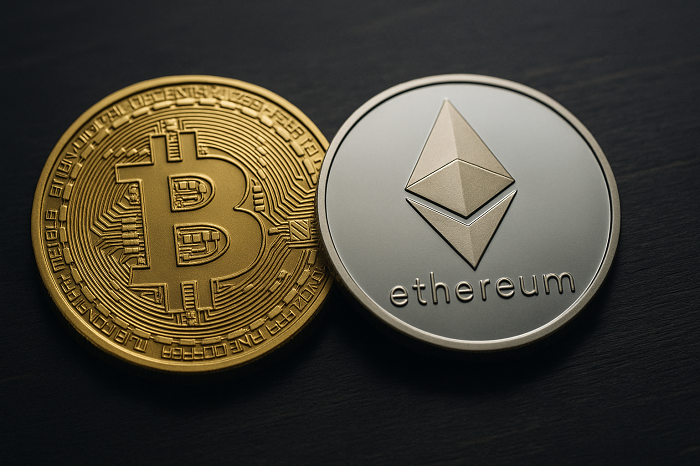
A crypto coin is a type of cryptocurrency that functions as the native currency of its own blockchain. Coins operate on independent networks where they serve as the main medium of exchange, store of value, and unit of account. Well known examples include Bitcoin on the Bitcoin blockchain, Ether on the Ethereum blockchain, and Litecoin on the Litecoin blockchain. Coins are primarily used for payments, transaction fees, staking, mining rewards, and maintaining the overall functionality of their networks. They are built into the protocol itself and do not rely on external platforms for issuance.
Key Difference Between Cryptocurrency and Crypto Coin
The difference between cryptocurrency and crypto coin lies in their scope and functionality. Cryptocurrency describes the entire category of blockchain based digital assets, while crypto coin refers only to native assets that belong to their own blockchain. This means every crypto coin is a cryptocurrency, but not every cryptocurrency is a coin. Tokens, stablecoins, governance assets, wrapped assets, NFTs, and utility tokens all fall under the cryptocurrency umbrella but are not considered coins because they are created on existing blockchains rather than their own networks. The distinction is similar to comparing fruits and apples — all apples are fruits, but not all fruits are apples.
Coins vs Tokens — Understanding Where They Fit
To understand the difference more clearly, it helps to consider the relationship between coins and tokens. Crypto coins operate on standalone blockchains, while tokens are created on platforms like Ethereum, BNB Chain, Solana, or Polygon. Tokens rely on smart contracts rather than native blockchain protocols. Cryptocurrency includes both categories. For example, Bitcoin is a coin because it runs on its own blockchain, while USDT and Shiba Inu are tokens built on other chains. This differentiation matters because it affects how assets are used, traded, and valued.
How Crypto Coins Function in Their Ecosystems
Crypto coins often play a structural role in maintaining blockchain networks. They are used to validate transactions, secure the network, and incentivize validators or miners. In proof of work systems, coins reward miners for solving mathematical problems, while in proof of stake systems, stakers earn rewards for locking their coins. Coins may also support on chain governance, enabling holders to influence upgrades and policy decisions. This direct connection to network security and decentralization is what distinguishes coins from other types of cryptocurrency. Users rely on coins to interact with the blockchain and ensure it continues operating efficiently.
Why Understanding the Difference Matters for Investors
For investors, knowing the difference between cryptocurrency and crypto coin helps in evaluating risk, utility, and long term potential. Coins tend to carry foundational value because they power entire networks, which often results in strong demand for transactional and operational purposes. Tokens may offer specific utilities such as rewards, governance, gaming use cases, or access to decentralized services, but they do not always provide the same level of network level security or longevity. Understanding what you are buying helps align investment decisions with goals, risk tolerance, and market trends.
Future of Cryptocurrencies and the Role of Coins
As blockchain adoption grows, both coins and broader cryptocurrency classes will continue to expand. Coins will remain central to blockchain infrastructure, powering networks used for finance, supply chain, gaming, identity systems, and decentralized applications. Meanwhile, the broader cryptocurrency category will evolve with more tokens, stablecoins, and digital assets supporting diverse use cases. The interaction between these two groups will shape the future of Web3, decentralized finance, and global digital economies. The clearer users understand these categories, the easier it becomes to navigate the rapidly evolving world of crypto.
Conclusion
The difference between cryptocurrency and crypto coin is essential for grasping how the digital asset ecosystem operates. Cryptocurrency is the overarching category that includes every digital asset built on blockchain technology, while a crypto coin is a specific type of cryptocurrency that serves as the native asset of its own blockchain. Coins function as monetary units within their networks, while the broader category of cryptocurrency includes tokens and many other digital assets with specialized utilities. Understanding this difference empowers users to invest wisely, research effectively, and participate confidently in the expanding crypto ecosystem.
Frequently Asked Questions (FAQ)
Q1. What is the main difference between cryptocurrency and a crypto coin?
Answer. Cryptocurrency is a broad category of digital assets built on blockchain technology, while a crypto coin is the native currency of its own blockchain network.
Q2. Is Bitcoin a cryptocurrency or a coin?
Answer. Bitcoin is both a cryptocurrency and a crypto coin, because it belongs to the cryptocurrency category and operates as the native asset of the Bitcoin blockchain.
Q3. Are all cryptocurrencies considered coins?
Answer. No, not all cryptocurrencies are coins. Many are tokens created on existing blockchains instead of functioning on their own networks.
Q4. How do coins and tokens differ in usage?
Answer. Coins are used primarily for network level transactions and blockchain operations, while tokens offer specific utilities such as governance, rewards, or access to decentralized services.
Q5. Why is it important to understand the difference?
Answer. Understanding the difference helps investors and users make informed choices when buying, trading, or using digital assets within the crypto ecosystem.