

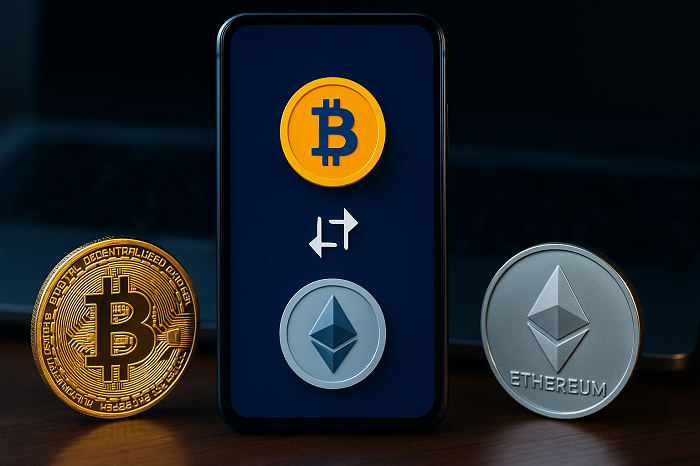
Transferring one cryptocurrency to another cryptocurrency has become a common activity among both new and experienced crypto users. As the crypto ecosystem continues to evolve with thousands of digital assets, traders and investors often need to convert their holdings for portfolio diversification, market opportunities, or simply for easier transactions on different platforms. While the idea of transferring from one crypto to another may seem complicated at first, the reality is that the process is much simpler when you understand the steps and the right platforms to use. This guide provides a complete, detailed, and beginner-friendly explanation of how to transfer one cryptocurrency to another cryptocurrency with clarity, confidence, and security.
Understanding What It Means to Transfer One Cryptocurrency to Another
Before diving into the actual process, it is essential to understand what this transfer truly means. When you transfer one cryptocurrency to another cryptocurrency, you are essentially performing a conversion or swap. You are not physically moving your Bitcoin into Ethereum or your Solana into Cardano. Instead, you are exchanging one digital asset for another through an exchange or swap mechanism. This can be done through centralized exchanges, decentralized exchanges, or wallet-integrated swap features. Each option follows the same fundamental principle, where one asset is deducted from your balance and another is credited to your wallet based on market prices and liquidity.
How Centralized Exchanges Help You Transfer Cryptocurrencies
Centralized exchanges remain the most popular method for transferring one cryptocurrency to another because they offer convenience, user-friendly interfaces, and strong liquidity. Exchanges such as Binance, Coinbase, Bybit, KuCoin, and Crypto.com allow users to convert one asset to another within seconds. To do this, you typically deposit the cryptocurrency you want to convert into your exchange wallet and then select the trading pair that matches your desired conversion. Once you confirm the transaction, the exchange automatically handles the swap and updates your balance.
The advantage of centralized exchanges is that they take care of the technical steps for you. They handle price calculations, network fees, and order matching, making it easy to convert one crypto to another even if you are new to digital assets. The only downside is that you must trust the exchange to hold your funds temporarily, and some platforms require identity verification before allowing swaps. Nonetheless, for many users this is the simplest and most reliable option.
How Decentralized Exchanges Offer a Trustless Swap Method
Decentralized exchanges, widely known as DEXs, have become increasingly popular as blockchain technology grows. Platforms such as Uniswap, PancakeSwap, SushiSwap, and 1inch allow users to perform swaps directly from their self-custodial wallets. This means you maintain full control of your funds throughout the entire process. When you connect a wallet like MetaMask, Trust Wallet, Coinbase Wallet, or Phantom to a DEX, you can easily choose the cryptocurrency you want to exchange and the one you want to receive.
A decentralized exchange works through liquidity pools rather than traditional order books. This allows the swap to occur instantly as long as there is enough liquidity. The advantage here is that you never need to transfer funds to a centralized platform. Instead, everything happens on-chain, and the transaction is recorded on the blockchain for transparency. However, because DEX transactions run on blockchain networks, the transaction fees can vary depending on network congestion. Ethereum swaps, for instance, may be more expensive compared to swaps on BNB Chain or Polygon.
Using Wallet Swap Features for Quick and Easy Conversions
Many modern crypto wallets offer built-in swap features that allow you to convert one cryptocurrency into another without leaving the app. Wallets such as Trust Wallet, Exodus, Atomic Wallet, and Coinbase Wallet provide instant swaps by connecting to different liquidity providers in the background. This makes the process extremely fast and convenient, especially for beginners.
When you use a wallet-based swap tool, you simply select the crypto you want to convert and the one you want to receive. The wallet automatically handles the exchange through integrated partners and charges a small fee. This method is ideal for users who prefer speed and simplicity, and who want to avoid using exchanges or handling complex trading interfaces.
Why You Need to Be Aware of Network Compatibility During Transfers
One of the most important parts of learning how to transfer one cryptocurrency to another cryptocurrency is understanding network compatibility. Every cryptocurrency operates on a specific blockchain network. For example, Bitcoin works on the Bitcoin network, Ethereum works on the Ethereum network, and USDT can exist on multiple networks such as TRON, Ethereum, and BNB Chain.
When you transfer or swap cryptocurrencies, choosing the correct network matters. If you attempt to send funds through the wrong network, the assets may be lost permanently. This is why exchanges and wallets always prompt users to confirm the network before initiating a transfer. When doing a crypto-to-crypto swap, always ensure that the wallet you are sending to supports the destination asset on the correct blockchain.
Understanding Fees When Converting Cryptocurrencies
Every method of converting cryptocurrencies involves certain fees. On centralized exchanges, you may pay a trading fee, while decentralized platforms charge network gas fees. Wallet swap services may include service fees in addition to network fees. The fee amount depends on the platform, the network you use, and market conditions. Understanding these costs helps you make better decisions, especially when swapping small amounts where fees may significantly impact your final balance.
Is Transferring Crypto to Another Crypto Safe?
The process is safe when done correctly and through reputable platforms. Always ensure you are using verified exchanges, trusted wallets with good security features, and correct blockchain networks. Double-check wallet addresses and never perform swaps on suspicious websites. With proper precautions, transferring one cryptocurrency to another is as safe as any digital transaction can be.
Conclusion
Transferring one cryptocurrency to another cryptocurrency has become a smooth and accessible process thanks to centralized exchanges, decentralized platforms, and modern crypto wallets. Whether you are converting for profit, utility, or portfolio management, understanding how swaps work helps you navigate the crypto ecosystem with confidence. Always pay attention to network compatibility, fees, and platform reliability to ensure your transfers are secure and efficient. As you explore the world of digital assets further, mastering crypto-to-crypto transfers becomes an essential skill that opens the door to more opportunities across the blockchain space.
Frequently Asked Questions
Q1. How do I transfer one cryptocurrency to another quickly?
Answer. You can perform a quick swap using centralized exchanges, DEX platforms, or wallet-based swap tools where the conversion happens instantly.
Q2. Can I transfer Bitcoin directly to Ethereum?
Answer. You cannot send Bitcoin directly to the Ethereum network, but you can convert BTC to ETH using exchanges or swap tools.
Q3. Do I need verification to swap one crypto for another?
Answer. Most centralized exchanges require verification, while decentralized exchanges and wallet swaps do not.
Q4. Which method is safest for swapping cryptocurrencies?
Answer. Using reputable centralized exchanges or trusted non-custodial wallets provides a safe and reliable swap experience.
Q5. Can I lose money during a crypto swap?
Answer. You may face price fluctuations, fees, or potential loss if the wrong network or incorrect wallet address is used.